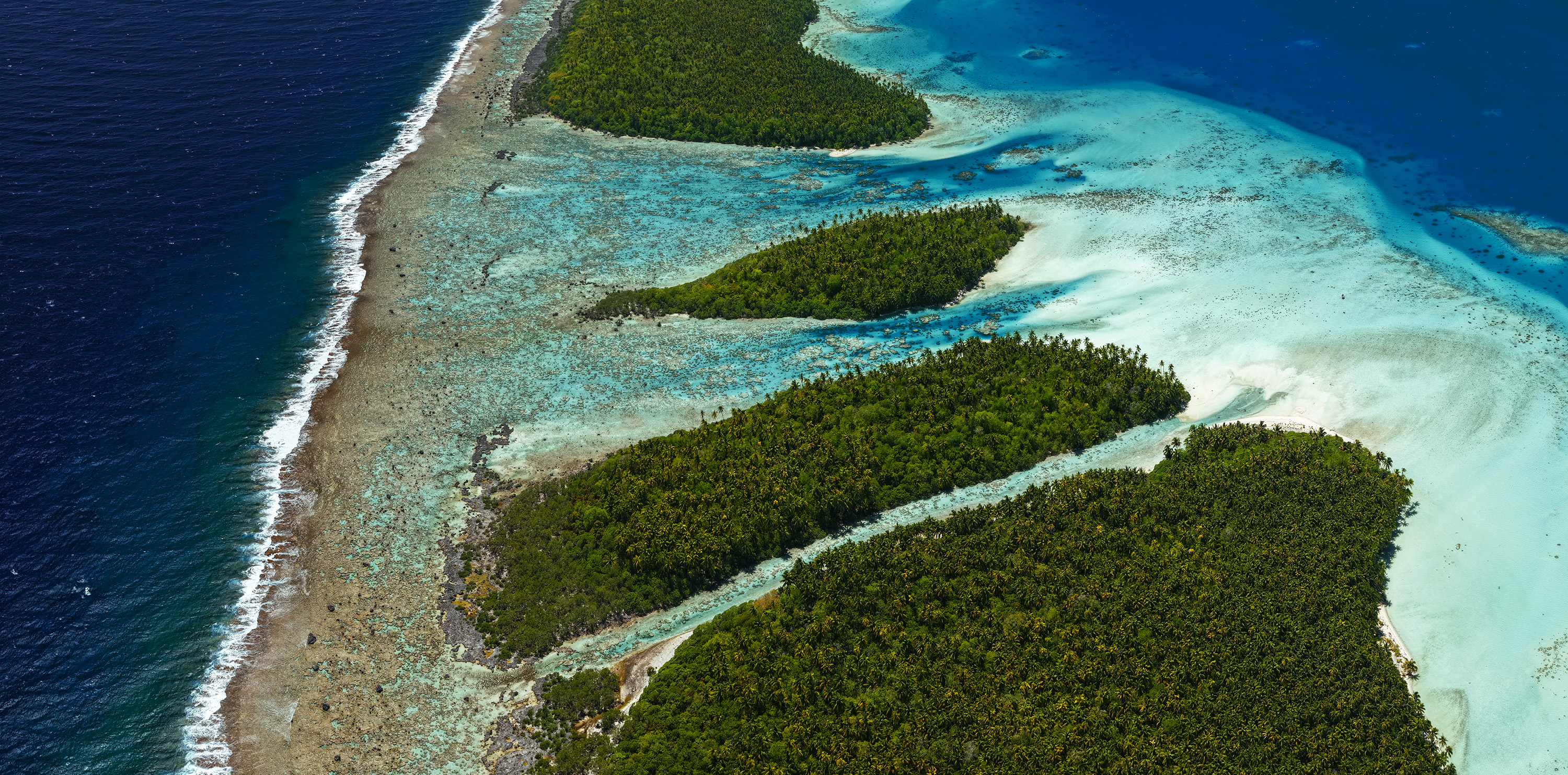
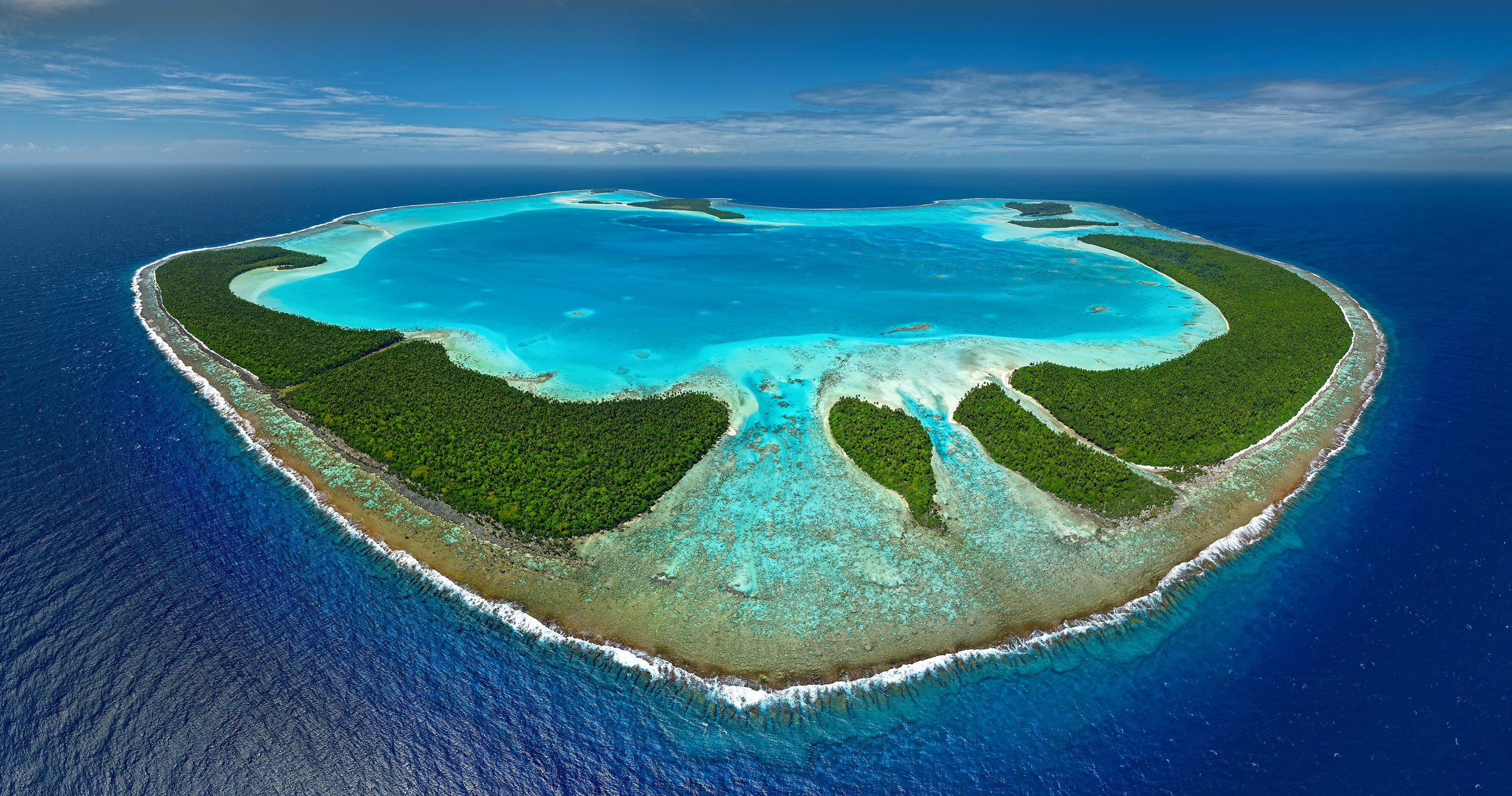
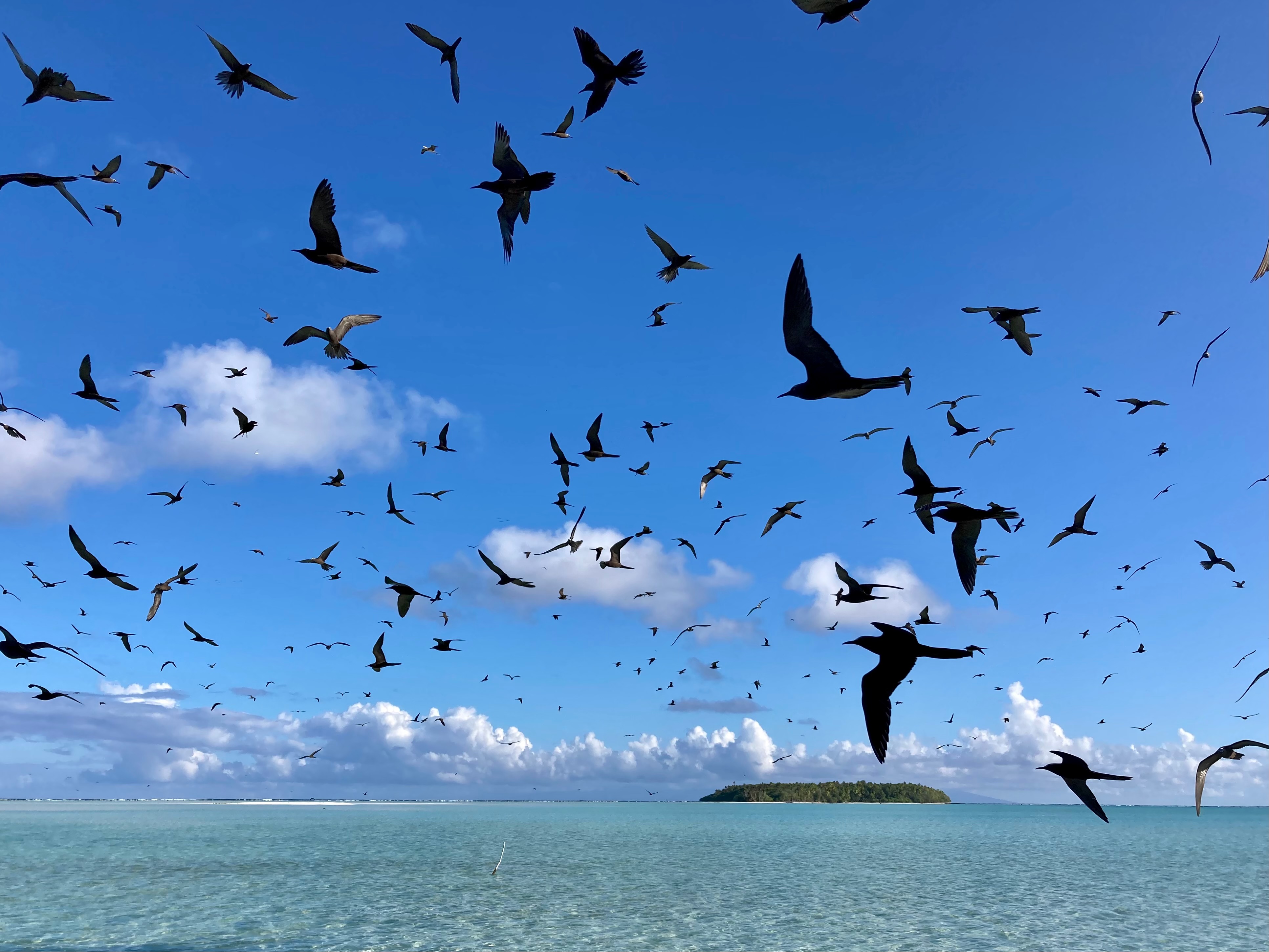
Tetiaroa Atoll, French Polynesia

The Tetiaroa Society is protecting nature with support from the Uon.Earth community.

1,000 m²
protected
2026
member since
10,000,000 m²
total area size

Tetiaroa Atoll

Ensuring the island and coastal communities have a future as rich as their past.

The mission of Tetiaroa Society is to ensure island and coastal communities have a future as rich as their past – strengthening their resilience to global change, by restoring their ecosystems, and preserving their cultures.

Grounded in experience and action on Tetiaroa, our vision is to weave enlightened values, traditional wisdom, and scientific understanding into a new fabric for our common island home.

Bio Region

Southeast Polynesian Islands (OC3)

Threats

Tetiaroa is one the last remaining important nesting site for green sea turtles in the Society Islands. Among the threats to sea turtles are poaching, pollution, food resources availability and global warming.

Method

The main focus of the Tetiaroa Society is the conservation of the natural and cultural heritage of the island of Tetiaroa. The Ecostation serves as a hub for the scientific and conservation work on Tetiaroa. We gather and apply knowledge of the islands natural systems, and cultural history. The Scientific Research Program fosters cutting edge experimental and applied research that investigates both local and global topics. The Conservation Program uses scientific and traditional knowledge to manage and protect the islands physical and biological systems, and its cultural heritage.

Key species

This gives the atoll a high priority in turtle nesting conservation and also in inventory and biological studies. On the IUCN list of threatened species word-wide, green sea turtles are listed as “endangered”, and the hawkbill turtle is listed as “critically endangered.” Coconut crabs (keveu) are the world’s largest terrestrial arthropod, reaching sizes up to 1 meter. Tetiaroa should be a protected reserve for coconut crabs.

Community

Tetiaroa Society works closely with the French Polynesia Education Department to develop and carry out field course on Tetiaroa for students ages 8 to 18. These courses are generally 4-5 days on Tetiaroa for up to 30 students and they include scientific information and traditional knowledge on the flora and fauna of Tetiaroa, the cultural history of the island, and both traditional and modern sustainable living practices.

Fun Fact

The coconut crab is the world’s largest terrestrial arthropod, reaching sizes up to 1 meter from outstretched leg to leg, and weighing as much as 5 kilograms. Coconut crabs can live up to 60 years, and reach sexual maturity after approximately 6 years.